3DISCOVER / PRACTICAL GUIDE
How to choose a transtibial prosthetic cover
A practical guide to design, individual compatibility and customisation when choosing a cover for your transtibial prosthesis.
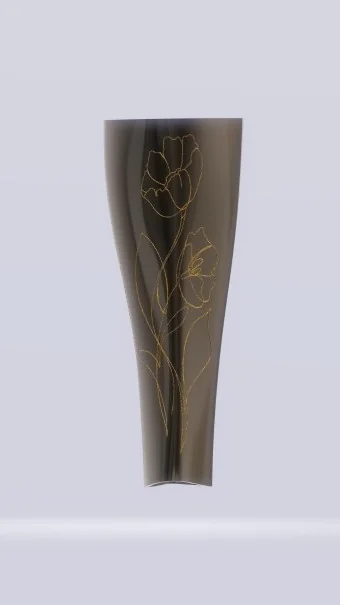
When choosing a transtibial prosthetic cover, start with your prosthesis configuration: geometry, attachment and access to components need to be reviewed before the design is agreed. You can then compare textures, colours and customisation options. A catalogue photograph helps you explore a style; an assessment of the specific prosthesis helps establish how that design can be made for you.
Transtibial or transfemoral: choose the right version first
TT identifies the transtibial version, intended for a prosthesis following an amputation below the knee. TF identifies the transfemoral version, for an amputation above the knee. Ares, Diana, Helios and Hera are available in both versions in the 3discover collection.
This distinction points you towards the relevant product page, but it does not establish compatibility on its own. Two transtibial prostheses can have different components, dimensions and layouts. A cover is an external cosmetic covering: it is not the socket, does not replace structural prosthetic components and does not imply improved walking. Clinical needs and adjustments to the prosthetic system remain matters for the professional responsible for your care.
Geometry and dimensions: look beyond the front view
The front view often attracts the most attention because it shows the texture and colour clearly. An assessment also needs to consider the side, the back and the space around the components. The design must be developed around the actual configuration, taking account of dimensions and the attachment points required for the project.
Discuss which elements need to remain accessible and which clearances must be maintained according to the manufacturer’s instructions and your prosthetist’s guidance. Clothing and everyday activities are useful information too: they help frame a discussion about the desired dimensions and intended conditions of use. They do not automatically establish suitability for a particular activity.
Attachment, removal and maintenance access
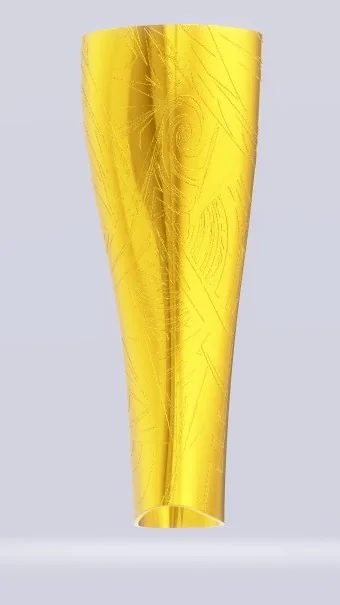
The attachment system is part of the decision. 3discover covers use an internal attachment system developed to allow fitting and removal. The actual solution is checked for each project: the model name alone does not describe how the cover will fit your prosthesis.
Before production, ask how the cover is fitted, how it is removed and which components remain accessible. It is also helpful to agree who will carry out the intended operations and what instructions you will receive for using the cover. Your prosthetic centre can be involved when technical checks are needed. Do not alter prosthetic components, attachments or adjustments to accommodate an aesthetic idea.
A standard design or a custom project?
In the standard cover collection, each model has a defined texture and you can choose its colour. Ares has a bold geometric design; Diana develops organic lines; Helios takes inspiration from light; Hera explores harmony and elegance. These are visual starting points, rather than categories of use or performance.
You can compare photographs of the transtibial covers in the collection and note which design feels closest to your style. If you want to change the shape, develop a different texture or introduce personal symbols and details, explore the custom cover process. A custom design needs a dedicated review of feasibility, geometry and finishing.
Materials and care: follow guidance for your project
3discover makes covers using 3D printing and selects materials according to the project. Before deciding, describe your intended use and ask which instructions apply to the chosen material and finish.
Cleaning methods, exposure to water or heat and other particular conditions cannot be inferred from the cover’s appearance. Agree the care instructions with the maker, and check the limits of the prosthetic components with their manufacturer or your prosthetist. The covering’s characteristics do not automatically change the conditions under which the prosthesis can be used.
A checklist for a useful first enquiry
You do not need to have every measurement ready before getting in touch. You can prepare the following information without sending photographs of your body or medical documents:
- Version: say that you are looking for a transtibial cover and, if known, give the make and model of the prosthetic components.
- Style: choose a standard model or describe the idea you would like to develop as a custom project.
- Colour: share your preference and any visual references.
- Intended use: explain the activities and conditions you want to discuss.
- Practical questions: note any concerns about removal, access, dimensions or care.
3discover can then explain which technical details are needed to continue and when your prosthetic centre should be involved. Price and timing are defined after the request has been reviewed.
Frequently asked questions about choosing a transtibial cover
Will a TT cover fit any transtibial prosthesis?
No. TT identifies the covering’s version, but compatibility, geometry, attachment and access are assessed for the specific prosthesis.
Can I choose a new texture for a standard model?
The standard collection offers the textures of its four models with colour options. A different texture or a new shape belongs to the custom design process and needs a project assessment.
Do I have to choose a design before contacting 3discover?
You can begin with two models to compare or a preference you have not settled on. The first conversation helps connect your design idea with the technical information needed.
Wondering where to begin? Tell 3discover about your idea for a transtibial cover: mention the model that interests you and the practical questions you would like to explore.