3DISCOVER / PRACTICAL GUIDE
3D scanning and reverse engineering: mesh or CAD model?
Capturing a shape and reconstructing an editable model serve different needs. Questions to clarify before commissioning scanning and reverse engineering.
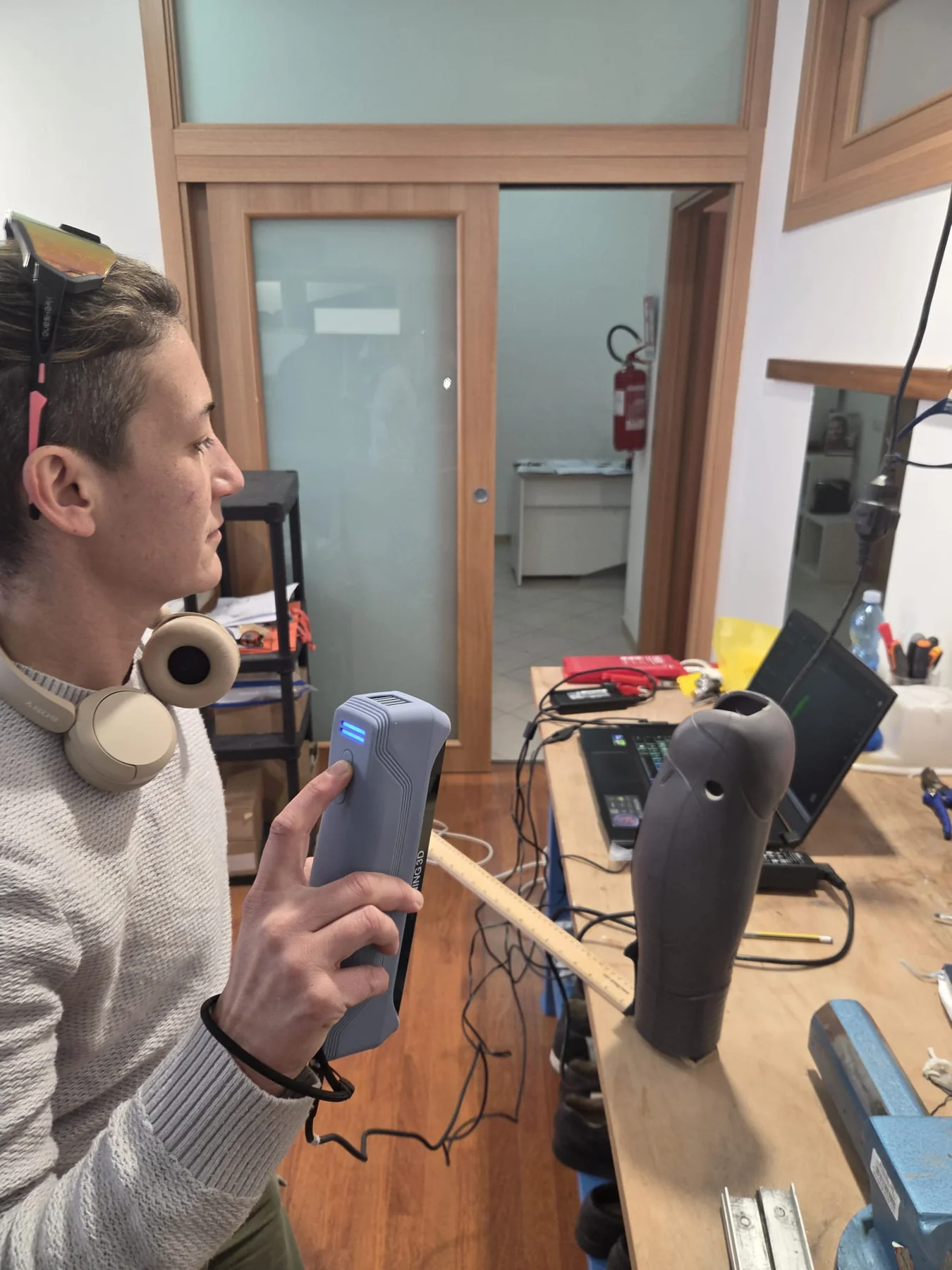
3D scanning and reverse engineering can start with the same physical object while answering different requests. Before commissioning the work, explain what you need to do with the result: preserve a shape, display it, prepare a reproduction or modify a component. Understanding the difference between a mesh and a CAD model helps define the service, the work involved and the checks to agree.
3discover's 3D services include capture, modelling, reverse engineering and printing. The process is developed around the intended use, without assuming that every scan needs to become a CAD model or that one file will suit every production method.
Define the result before choosing the process
“I need a 3D file” leaves several questions unanswered. A digital archive may require a record of an object's appearance; an adaptation project may need geometry that can be changed. A reproduction also introduces requirements associated with the technology and material used to make it.
Describe the next operation: who will use the model, with which tools and for what decision. This helps establish whether the project needs surface capture and processing, CAD reconstruction or a process that also includes prototyping and reviews.
What a mesh represents
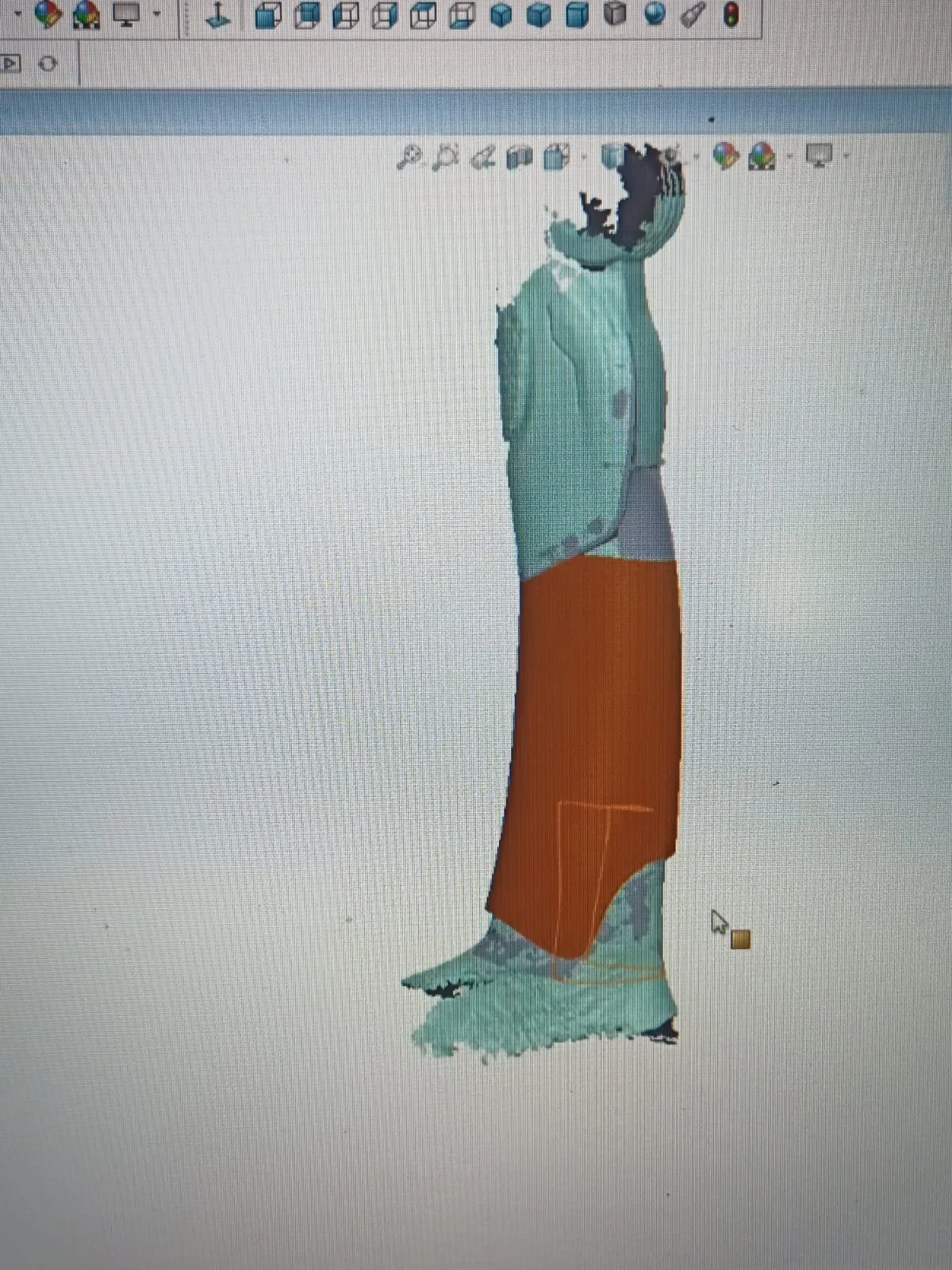
A mesh describes a surface through vertices and faces, often triangles. In scanning work, it represents the captured geometry and needs to be examined and processed for the intended project. By itself, it does not describe the intentions behind the original object's design.
Meshes can be edited: surfaces can be processed and geometry can be changed. That is different from having the dimensions, relationships and operations of a CAD model developed for particular modifications. When requesting or delivering a file, explain which changes must be possible afterwards.
When CAD reconstruction is needed
If you want to revise a part, adapt it to a system or develop a variant, you may need a reconstruction that organises the geometry around those changes. Reverse engineering connects the physical reference with a digital model that can support the new work.
The question is not simply whether a file is called “CAD”, but what it must contain and allow you to do. An editable model is not necessarily parametric: controllable dimensions or relationships should be discussed in the request. 3discover describes reverse engineering as a process from a physical object to an editable CAD model, defined for the individual assignment.
Converting a mesh does not validate a component
Autodesk's mesh conversion documentation distinguishes methods with different geometric results and explains that an open mesh can produce a surface rather than a solid. The data therefore needs assessment: conversion does not automatically establish dimensional correctness or suitability of the component.
Keep capture, reconstruction and the required checks separate in your brief. Agree which processes and reviews the project needs to include.
An example: preserving an object or adapting a part
Consider two hypothetical requests. In the first, a workshop wants a digital reference of an object to consult and visualise. In the second, a business wants to reconstruct an existing part while changing a connection area.
In the second scenario, requesting a surface representation alone does not explain the job. The geometry to change, the mating constraints and the necessary checks must be identified. Producing a prototype to examine the design is a step to consider, rather than an automatic outcome of scanning.
What to prepare for an enquiry
- Purpose: archiving, visualisation, modification, reproduction or another specific use.
- Object: approximate dimensions, material, current condition and whether it can be made available for capture.
- Areas that are difficult to see: cavities, undercuts or hidden parts to discuss before planning the work.
- Required changes: identify which areas need to change and which must remain as references.
- Digital deliverable: who will receive the model and what they need to do with it; format and structure are agreed for the project.
- Checks: flag critical dimensions and relationships. Any tolerances and inspection methods must be defined, rather than inferred from the scan alone.
You can also provide photographs of the object and available drawings. Distinguish known information from what needs reconstruction. A missing dimension or inaccessible area is a question to address during the project, rather than a value to invent.
Frequently asked questions
Is a mesh always sufficient for 3D printing?
No. It needs to be assessed against the intended reproduction and the chosen process. Having a mesh does not automatically confirm that the file is ready for production.
Does reverse engineering recover the original design?
It reconstructs a model from the available references. It does not guarantee recovery of the original design history or information absent from the object and supplied documentation.
Do I need to know the file format before contacting you?
You can start with the intended use and the person receiving the model. Format, processing, checks, timing and price are defined after discussing the request.
Do you have an object to capture or a part to reconstruct? Tell 3discover what you want to achieve, explaining your starting point and the work that must be possible with the final model.