3DISCOVER / PRACTICAL GUIDE
Custom prosthetic cover: preparing your design brief
Turn visual references into clear design choices: a practical guide to describing the idea for your custom prosthetic cover.
To develop a custom prosthetic cover, turn your initial idea into a short design brief: which elements you want to see, the colours you prefer and the details that matter most to you. You do not need a technical drawing. A few references with short explanations can help you discuss shape, texture and finish more clearly than the phrase “I would like something unique”.
The 3discover custom cover process brings together listening, digital design and production. Preparing a brief makes the conversation more specific; feasibility, materials and fitting are defined for the individual project.
Start with the character you want the cover to have
Before collecting images, choose two or three words to describe the appearance you have in mind: minimal, geometric, organic, colourful or understated. These do not have to become rigid labels. They help explain why a reference interests you and separate important preferences from choices you are still considering.
You can also describe what you would prefer to avoid: a dense pattern, a strong contrast or a very prominent symbol. “I like continuous lines, but I would like some areas to feel visually open” gives more useful direction than a folder of images without comments.
Colour, texture and shape are separate decisions
Distinguish three parts of the design in your brief. Colour concerns the palette and combinations. Texture is the surface pattern, which might take its starting point from geometric or organic shapes or a personal reference. Shape concerns the profile and how the covering develops around the prosthesis.
A colour preference does not necessarily call for new geometry. Changing the profile or introducing a different pattern, however, needs a discussion beyond colour. Explain which parts of a reference you would like to keep and what you imagine changing. The result also depends on the agreed material, manufacturing processes and finish.
Choose references you can explain
A small, considered selection is more useful than many images pointing in incompatible directions. For each reference, describe what interests you: the rhythm of the lines, the pairing of two colours, the position of a mark or the balance between solid and open areas. You can use an original sketch, a palette or material you are entitled to use.
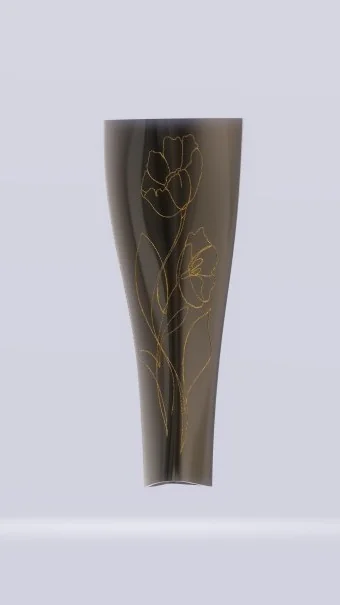
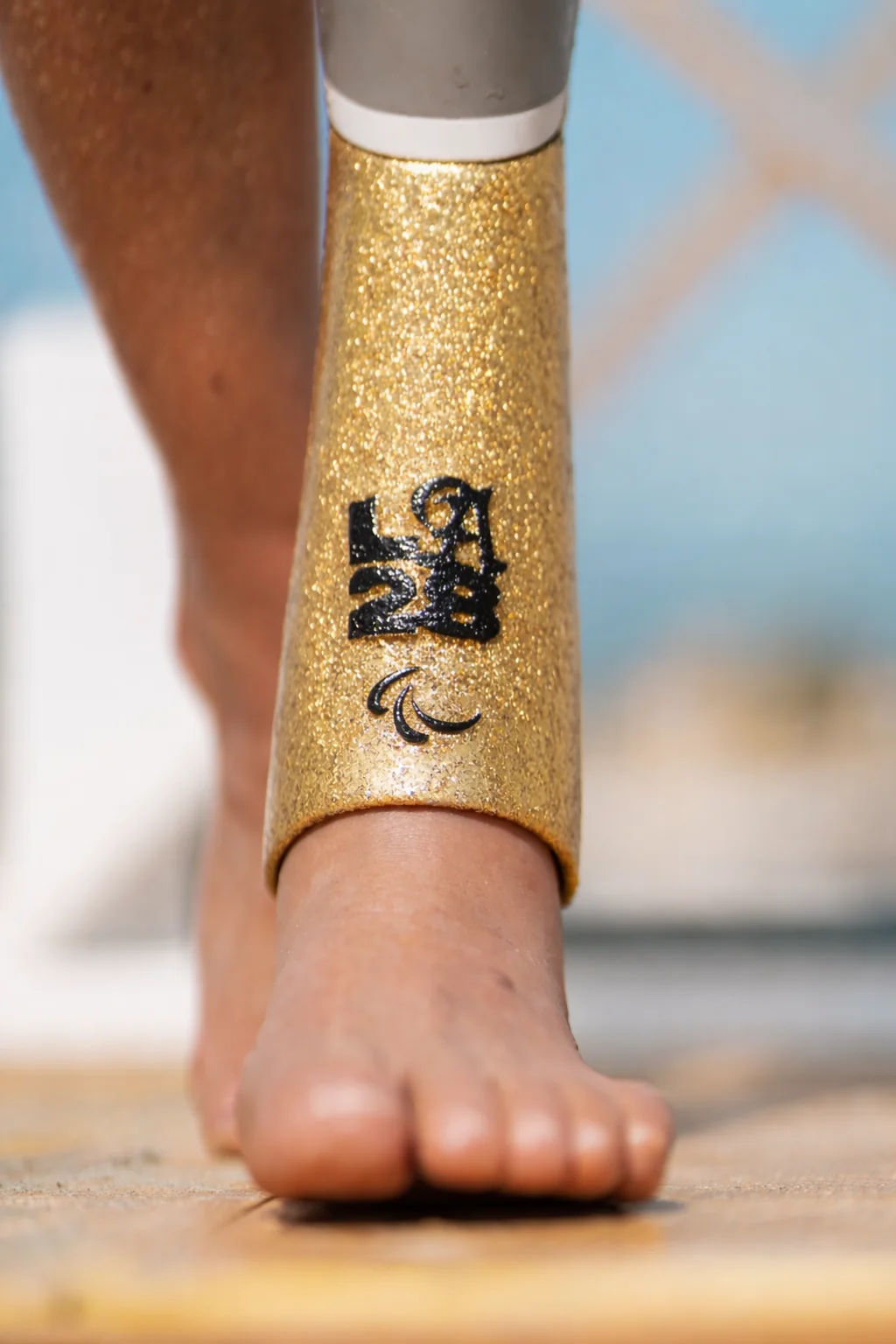
If you want a symbol, engraving or logo, say how noticeable it should be and where you would like it positioned. Consider side and rear views too: an element drawn on a flat surface needs to be discussed on the cover’s three-dimensional shape. A reference communicates a direction; it does not promise an identical copy of something seen elsewhere.
When to start with the collection or choose a custom project
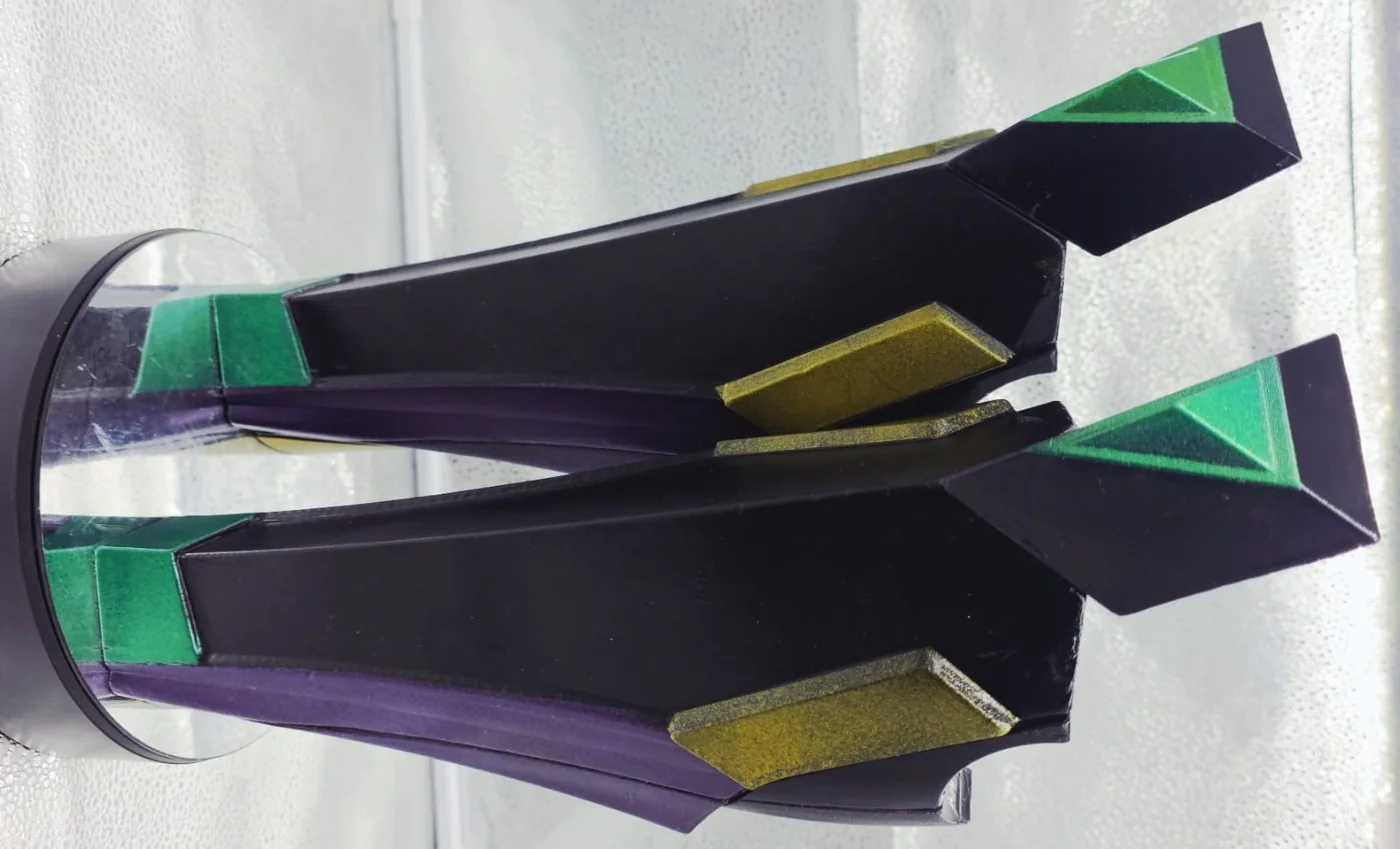
The standard collection offers Ares, Diana, Helios and Hera, with a defined texture for each model and a choice of colour. If one already has the design you are looking for, it can be a starting point to assess.
A custom project allows shapes, textures, engravings and personal details to be explored through a feasibility discussion. Make clear whether you mainly want a colour for an existing model or a new composition. The distinction also helps define the work involved, the quotation and timing.
An example brief to use as a starting point
Consider this hypothetical request: “I would like a cover with wave-inspired lines, two colours and a small personal symbol on the side. I would like the pattern to continue from the front around the profile, without making the surface too busy. I am open to changing the symbol’s position after the technical review.”
This example shows how to separate inspiration, priorities and flexible choices. You can use the same approach for an abstract idea or a specific reference.
The design needs to work with the specific prosthesis
A cover is an external cosmetic covering. Shape and details need to be assessed alongside attachment, fit and access to functional components. The discussion involves your prosthetist when needed. A new design does not imply clinical benefits or extend the conditions under which the prosthesis can be used.
If you still need to clarify compatibility for a TT version, read the guide to choosing a transtibial cover. In your creative brief, identify the visual elements that matter most and those you are willing to change to accommodate the project’s constraints.
What to gather before getting in touch
- Visual direction: a few words describing the style and elements you want to avoid.
- Annotated references: explain which part of each image or sketch you would like to discuss.
- Palette: preferred colours and combinations, distinguishing firm choices from alternatives.
- Personal details: symbols, engravings or patterns, with an initial idea of their position.
- Priorities: what makes the design recognisable to you and what can change.
- Available technical information: the prosthesis model, if known; 3discover will explain which details are needed to continue.
Useful questions when reviewing a proposal
As the design develops, ask how colour and finish will be represented and which aspects still need confirmation. Check the intended position of the pattern and symbol in different views. Discuss any differences from your references that result from the geometry or manufacturing processes.
Before production, agree the chosen visual elements, the technical points that need checking and any variations that remain open. Ask which care instructions apply to the proposed finish, rather than inferring them from an image.
Frequently asked questions
Do I need drawing skills to request a custom cover?
No. You can begin with words, annotated references or a simple sketch. Digital design is addressed during the process with 3discover.
Can I combine ideas from different references?
You can suggest them, explaining what interests you in each one. The overall coherence and the feasibility of the details need to be assessed together.
Does choosing a different colour always require a custom project?
The standard collection offers colour choices on defined textures. New shapes and different textures need an assessment through the custom design process.
Have an idea or a few references you would like to discuss? Tell 3discover about your custom cover design, including the style, colours and details you want to explore.