3DISCOVER / PRACTICAL GUIDE
Tactile museum replica: choosing scale and detail
Full size, reduced scale or enlarged detail: decisions to discuss when a model explains an artwork through touch.
Author: 3discover. Published on 11 November 2026.
When commissioning a tactile replica for a museum, first define what visitors should recognise with their hands. Then discuss scale, detail and exploration with the model’s designer. Automatically shrinking a 3D file to fit a stand is insufficient to design an object that can be understood through touch.
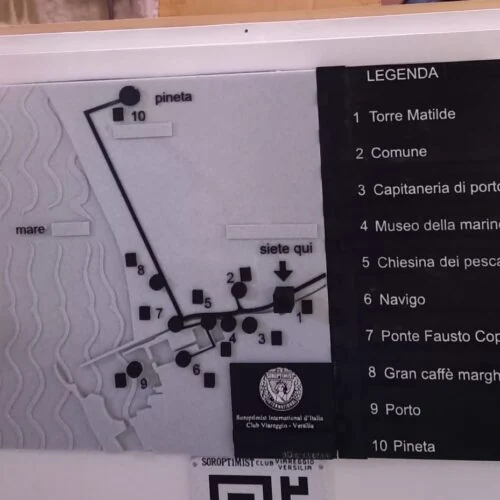
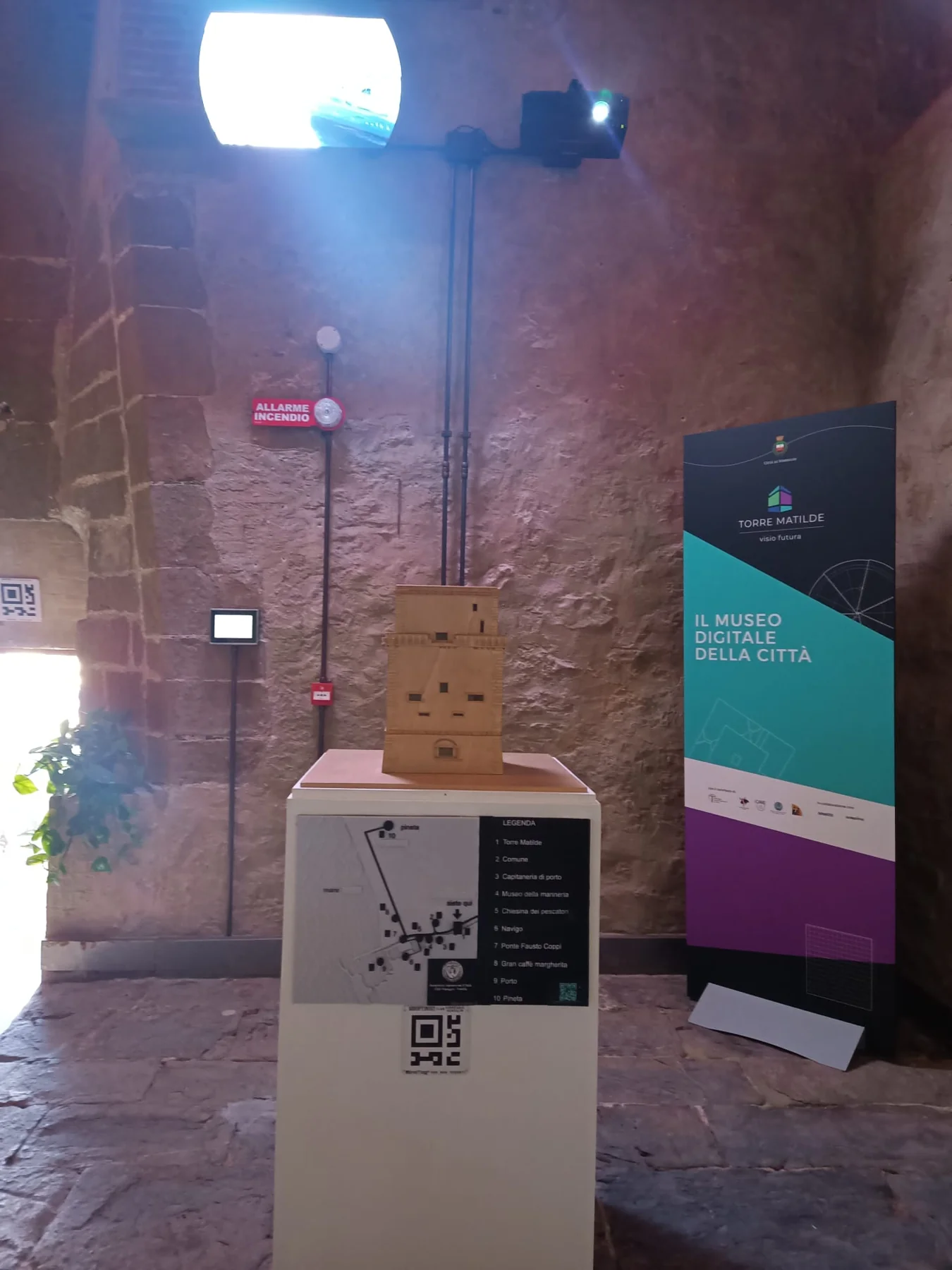
A replica explains the form of an artwork, artefact or building. A map helps people understand a space and its routes. The tools can sit together, as the architectural model and panel at Torre Matilde in the photograph show, but involve different decisions. For the latter, see the museum tactile map design guide.
Write the purpose before choosing the scale
Start with a concrete question: should visitors recognise the overall outline, the arrangement of parts or a decorative detail? Record what the model should explain and what spoken or audio interpretation could cover. This priority guides the conversation with the designer and content lead.
An overall model can introduce the object while a separate element explores a detail. Every piece of information does not need to occupy a single surface. State whether visits will be guided or independent and how visitors will find the starting point for exploration.
Full size, reduced scale or an enlarged detail?
No single scale suits every artwork. Palazzo Pretorio Museum describes full-size sculpture replicas. This is an example of a museum solution, rather than a rule for every project.
- Full size: assess overall dimensions, reach and access to significant features with the designer.
- Reduced scale: check which elements remain distinguishable and which become too close together or too small for the intended task.
- Enlarged detail: plan how it relates to the overall model and identify the part it represents.
In their contribution on the TEMART project published by Museo Omero, the authors describe tactile tests that favoured full-size reproductions alongside enlarged details or simplified versions. That finding belongs to that project: the choice for your artwork requires a dedicated trial.
Fidelity to the file and clarity of interpretation
Identify which features come from the survey and which are adaptations intended to aid understanding. If an element is enlarged, separated or simplified, document it and ask the museum’s curatorial lead to review it. Interpretation should help visitors distinguish the original form from a design decision.
Ask for a physical sample of the most difficult feature before final production. An on-screen review helps discuss the design but cannot replace exploring the sample by hand.
A useful trial involves the intended users
Agree with the museum how to involve blind and partially sighted people alongside accessibility and interpretation staff. Set a specific task, such as recognising two volumes and their relationship. Record where exploration breaks down, which features are confused and what explanation is needed.
Document observations and changes to check on the next sample. The trial improves that particular model. It is neither a general accessibility certification nor an outcome to assume before observing it.
What to gather for the project
- The artwork or building, photographs and available digital materials, identifying who can authorise their use.
- The purpose of tactile exploration and priority details, distinguished from secondary features.
- The available space, stand location and visiting conditions to assess on site.
- A proposed scale, any separate details and complementary interpretation to develop.
- People to involve in the trial and the person responsible for approving content.
Finally, agree on material, finish, fixing and care instructions with the manufacturer for the intended use. A display object that people touch needs its own guidance; a photograph does not establish washability or durability.
3discover offers tactile maps and 3D models for accessibility. Describe the artwork and the purpose of the visit to start assessing the model, available materials and reviews to agree.